“This is then to say that the distinctions between here and there, and the world that the here and now organizes, are not fixed—they are already becoming undone in relation to a forward-dawning futurity.”1
-Muñoz, J.E.
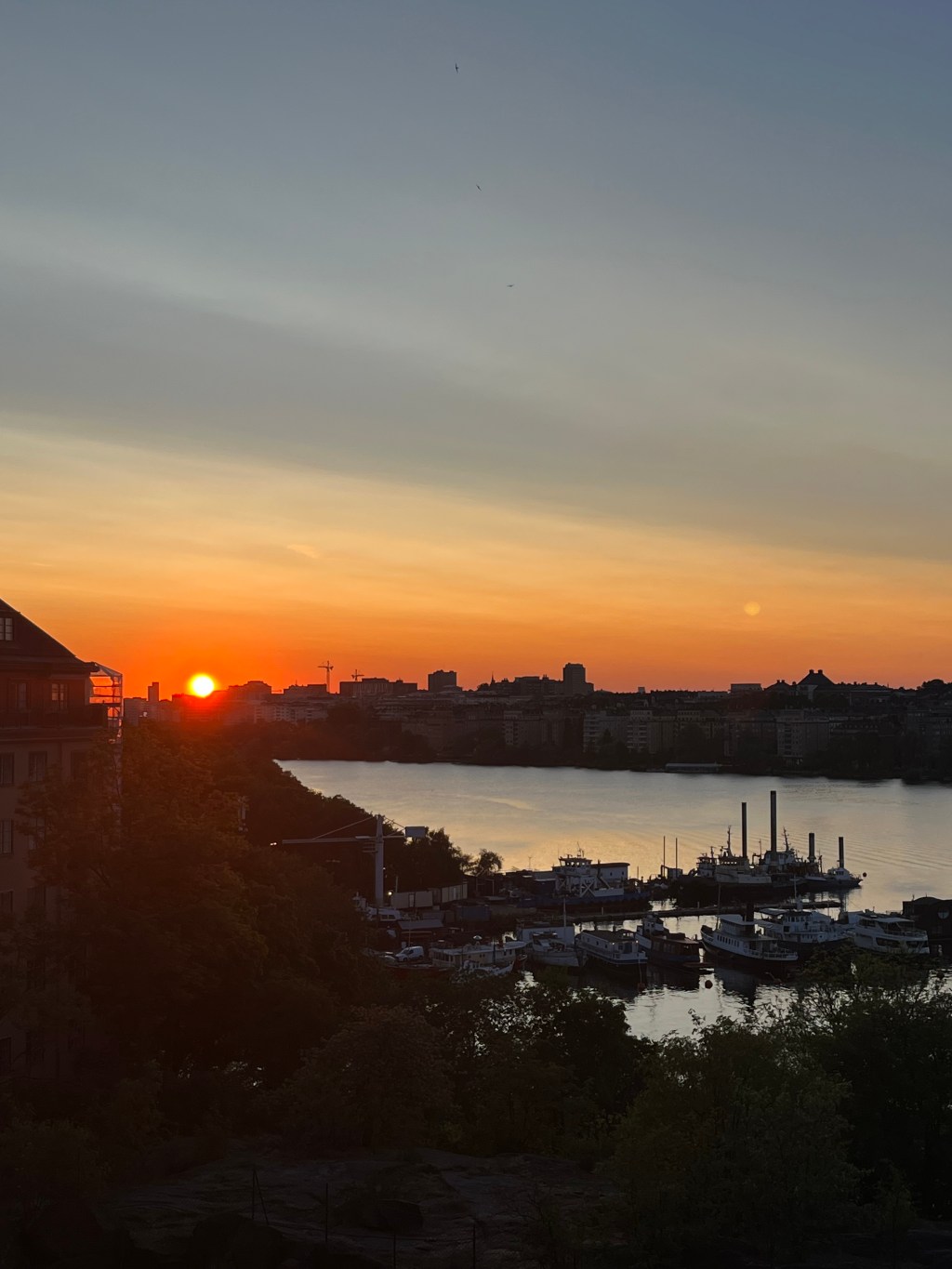
What does it mean to look up to the horizon rather than the ground?
In the search for a definitive self, we often shackle ourselves to our own static conceptualizations of the external world. When our environment begins to morph and our mindsets do not change in tandem, this creates a dissonance of the self—-because the thing we have tied ourselves to no longer fits our idealization of what we believe, our sense of self begins to crumble. Self-concept, then, becomes of interest—how do we know who we are if not defined by our surroundings? The issue is not that we link ourselves to external symbols—-it is that we do not allow our ideas of these symbols to change. We become so unyielding in our own beliefs of self idealizations that we forget there is no such thing as permanence.
Perhaps, then, the only thing that is unequivocally permanent is change. We can be sure of the transformative potential of others and ourselves to create. Rather than creating a distorted perception of what we believe the future to be, we can be sure that the future will be different. If we are to uncompromisingly define ‘then’, we draw a line of difference between us and the future we will eventually join hands with. Because how can we understand what ‘then’ will look like with the capacity we have right now?
I think contemporary societal discourses have become increasingly entangled in structural rigidity. I am not an advocate for a world without structure, but I believe, much like Muñoz, that we must emphasize our own agentic perspectives rather than becoming so gridlocked in back and forths of the now, forgetting the anticipatory enlightenments of tomorrow. In looking towards the horizon, we open our minds to the possibility of the uncharted, to a world beyond what we have the capacity to understand. There is serenity in knowing that you don’t know, and with this comes a kind of agency—-by not defining the future so adamantly, you welcome a boundless cascade of realities.
It is impossible to stand at the horizon—the line where the sky meets the sea cannot be tangibly landmarked or signaled at any single point across time or space. It is forever suspended across a distance and thus forces us to admire its magnificence from afar. So look up—walk to the edge and relish in the vastness. Free fall into the brink of something yet to be discovered. Because as we stay stiffly deadlocked to the bottom of the sea, the tide will continue to rise and fall, the stars will continue to die, and the moon and sun will continue to do their waltz in the sky.
References
- Muñoz, J. E. (2009). Cruising Utopia: The Then and There of Queer Futurity. NYU Press. http://www.jstor.org/stable/j.ctt9qg4nr

 Wendy's Cherry Farm